From Hardware Pins to Distorted Memories: The Rapid Encroachment of Everyday AI
Today’s artificial intelligence news captures both the relentless push to weave machine learning into our daily routines and the awkward, sometimes unsettling friction that emerges when that technology falls short. From tech giants racing to ship ambient hardware and revamp operating systems to gamers revolting against synthetic assets, the headlines show an industry trying to find the boundary between genuine utility and unnecessary automation.
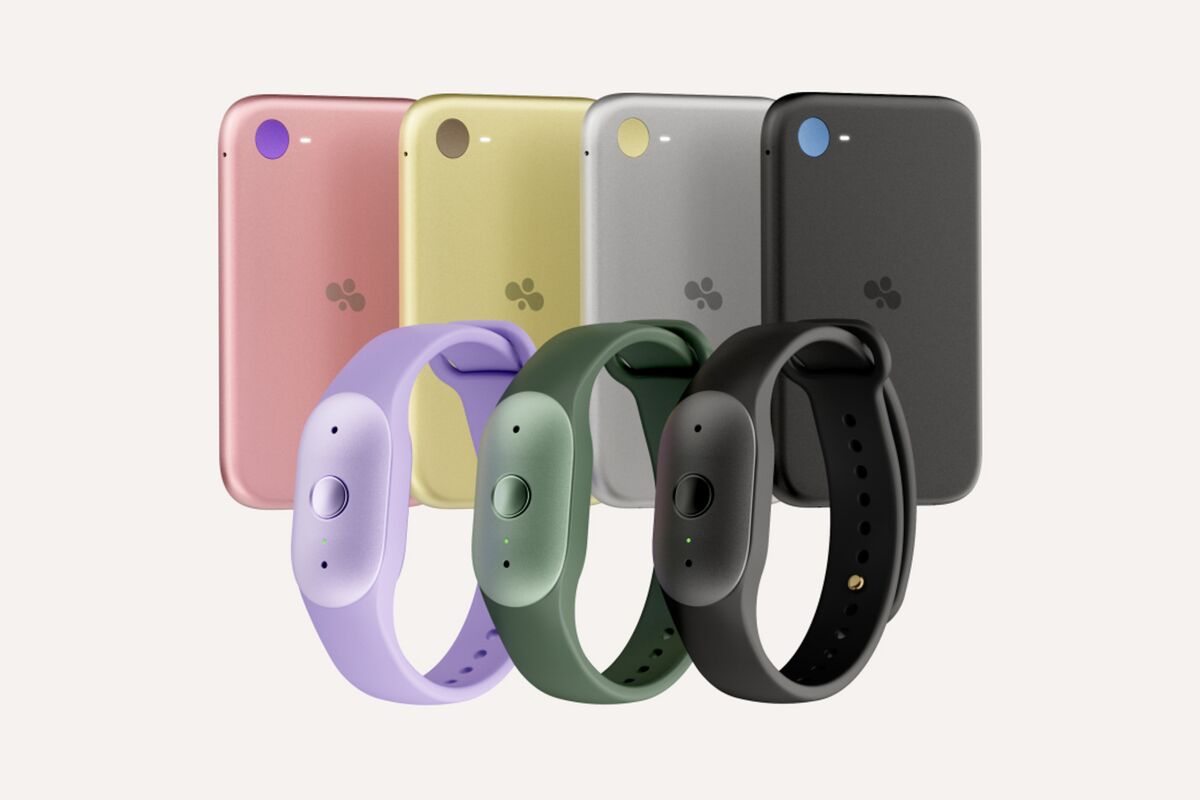
Amazon made a major push back into dedicated artificial intelligence hardware today. According to Bloomberg, the retail and cloud giant launched two revamped wearable devices under its Bee brand alongside a recurring twelve-dollar-per-month subscription plan. The hardware is designed to continuously record and analyze a user’s entire day, pitching itself as an ambient personal assistant that tracks conversations, context, and daily patterns. Amazon acquired Bee last year, and this launch shows how determined Big Tech remains to establish an ambient computing layer outside of the traditional smartphone screen, even as consumers express fatigue over recurring subscription models for hardware gadgets.
While Amazon wants ambient algorithms monitoring your physical life, Microsoft is redesigning its software foundation so machines can run complex intelligence directly on your lap. The Verge reports that Windows is receiving substantial under-the-hood architectural changes tailored for Nvidia’s upcoming RTX Spark platform. The core focus here centers on low-level memory management and native operating system scheduling built specifically to handle local models alongside high-demand tasks like gaming. Shifting execution from remote data centers to local silicon has long been the elusive target for privacy and responsiveness, and seeing the underlying OS adapt to manage shared memory pools suggests that on-device machine intelligence may soon become the baseline expectation for consumer laptops.
Yet as silicon and software mature, the end results of hasty generative automation are creating palpable consumer pushback. Over in gaming, Kotaku highlighted a fiery controversy surrounding the latest season update for Battlefield 6. Players discovered unpolished generative artifacts slipping into paid cosmetic items, ranging from character models sporting anatomically bizarre weapon placements to garbled text patches. The backlash underscores an increasingly common consumer sentiment: while studios view generative tools as cost-saving shortcuts, audiences perceive uncurated machine-generated assets as cut corners, particularly when those items carry premium price tags.
Perhaps the most thought-provoking revelation of the day, however, comes from the laboratory rather than the marketplace. A report in The Washington Post details recent findings by MIT Media Lab researchers indicating that interactions with artificial intelligence systems can subtly alter human memory. When participants were exposed to altered visual prompts and synthetic suggestions following simple memory tests, researchers observed an alarming rate of induced false memories. As machines increasingly act as the curators of our past—summarizing photos, reconstructing records, and serving as external digital brains—the cognitive blur between what actually happened and what an algorithm suggested happened is poised to become a profound psychological challenge.
Taken together, these developments reflect an industry that is simultaneously expanding its physical footprint and running into human friction. Hardware makers want to record our every breath, operating systems are retooling their engines to host local models, and studios want algorithms to design virtual worlds. Yet whether dealing with players rejecting sloppy synthetic artwork or scientists warning about the fragility of human recollection, it is clear that expanding the reach of artificial intelligence requires far more diligence than simply embedding a model into every product on the shelf.